Business Understanding
The Big Picture: Our Energy Future & The Role of Solar
The world is in a race to find sustainable energy sources to combat climate change. Solar energy, which converts sunlight into electricity, is a cornerstone of this transition. You’ve likely seen traditional solar panels on rooftops; these are amazing technologies, but the quest for even better, cheaper, and more versatile solutions is relentless. This project places you at the forefront of that quest, using data science to unlock the potential of a new generation of solar technology.
Our client, the OMEGA Lab, is developing next-generation solar cells known as Organic Photovoltaics (OPVs), a flexible, lightweight, and potentially low-cost alternative to traditional panels. They’ve asked you to predict key molecular properties based solely on chemical structure. Accurate predictions can significantly accelerate the discovery of new materials, replacing the slow and costly process of synthesizing and testing each candidate in the lab.
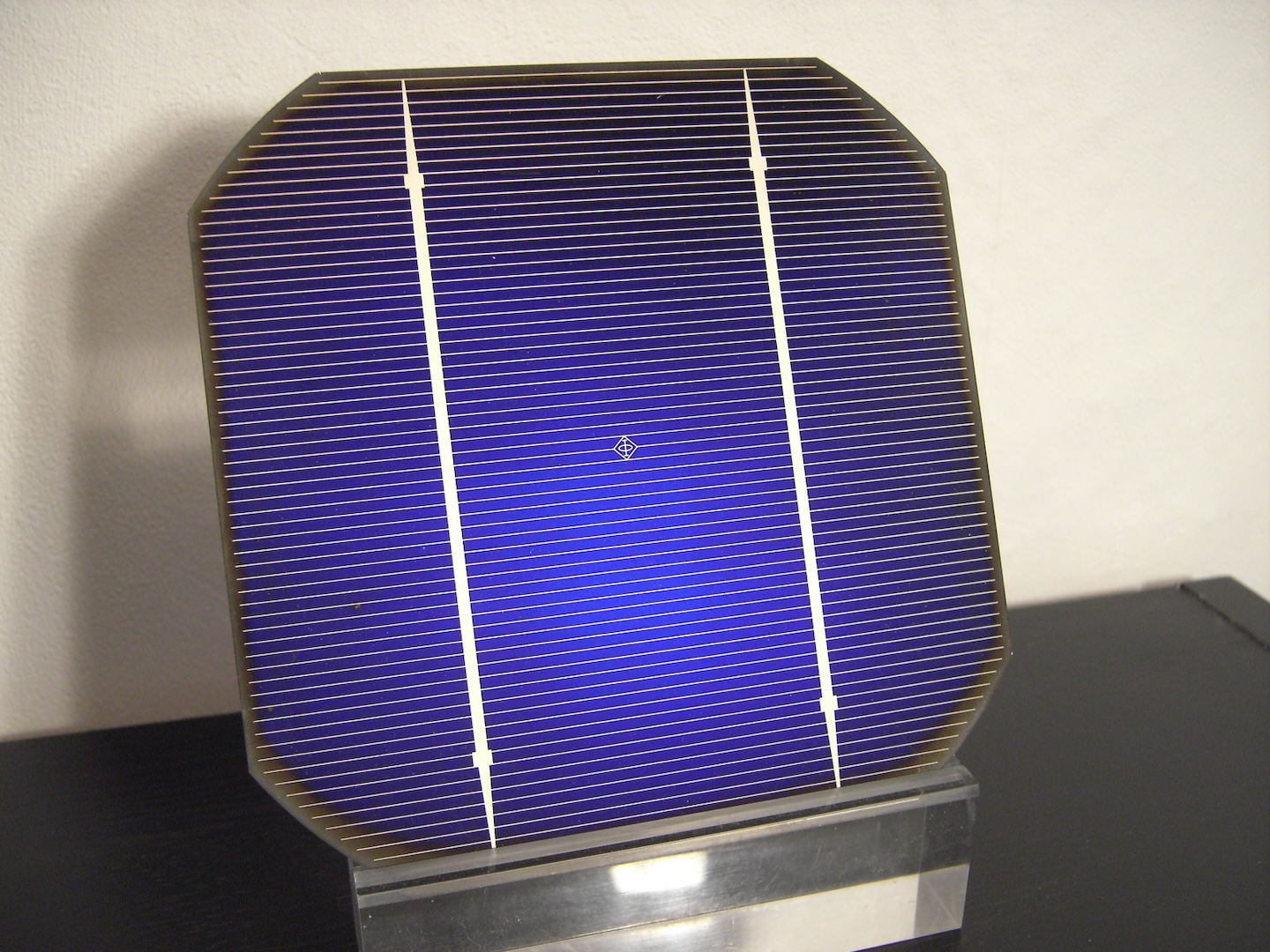
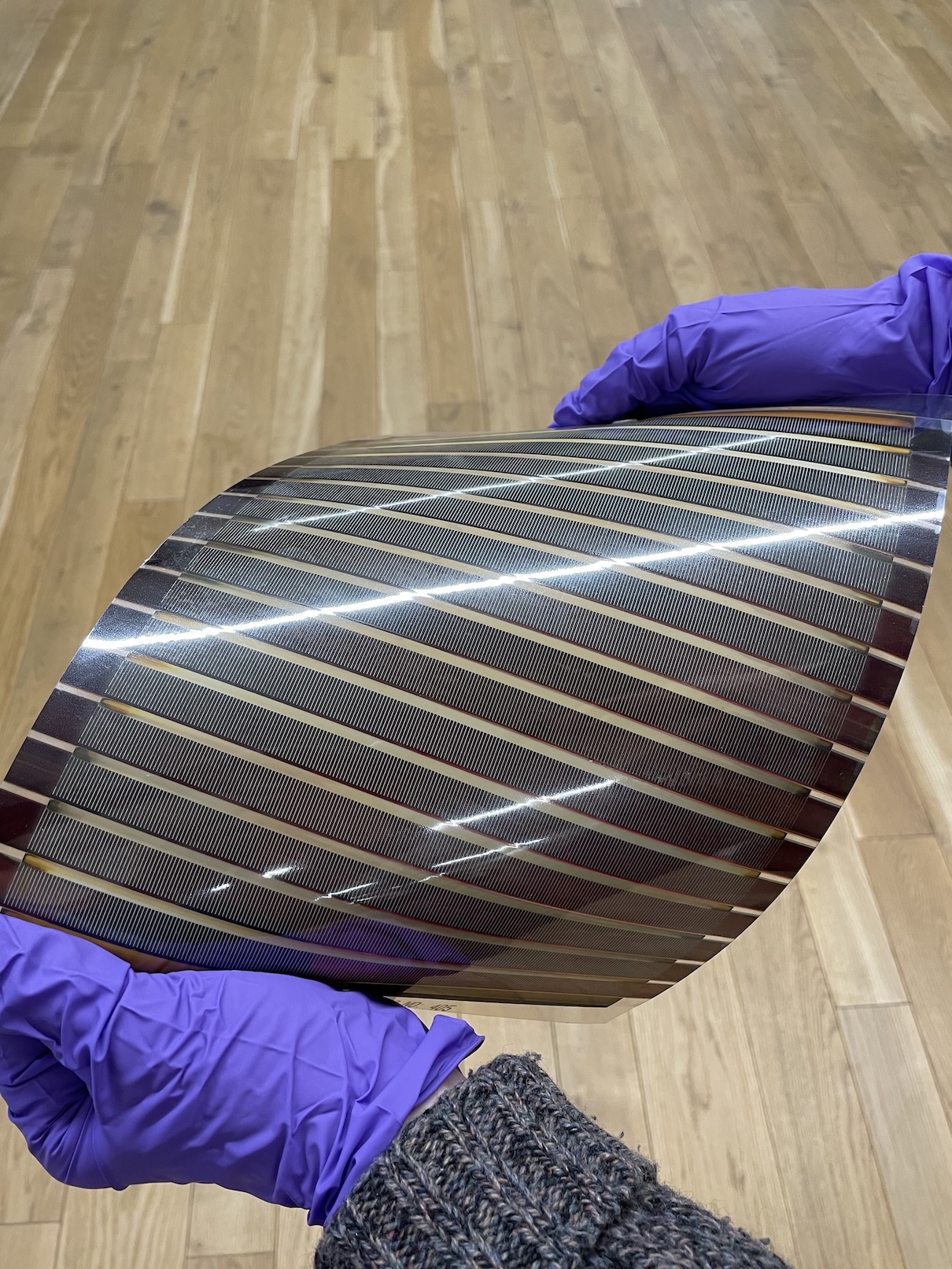
Silicon vs. OPVs
For decades, the solar market has been dominated by silicon-based solar cells. Silicon is a fantastic material for this job. It’s a semiconductor, a special class of material that can be “tuned” to conduct electricity under certain conditions, which is the fundamental principle behind solar cells and all modern electronics. To understand a semiconductor, think of materials as having different abilities to let electrons (the carriers of electricity) flow:
- Conductors (like copper wire): Electrons flow freely.
- Insulators (like rubber): Electrons are tightly held and don’t flow.
- Semiconductors (like silicon): These are in the middle. They are naturally insulators, but with a little energy (like from sunlight), we can excite their electrons, causing them to jump across an “energy gap” (called the bandgap) and start flowing as an electric current.
The name ‘Silicon Valley’ itself comes from the silicon used in computer chips. The global industry that grew from that valley relies on incredible precision to manufacture those chips. Companies like ASML, a global semiconductor leader located just 60 km from Breda, are at the heart of this industry. ASML builds the highly complex lithography machines that create the microscopic transistors and circuits on silicon wafers — the brains powering everything from your phone to advanced data centers.
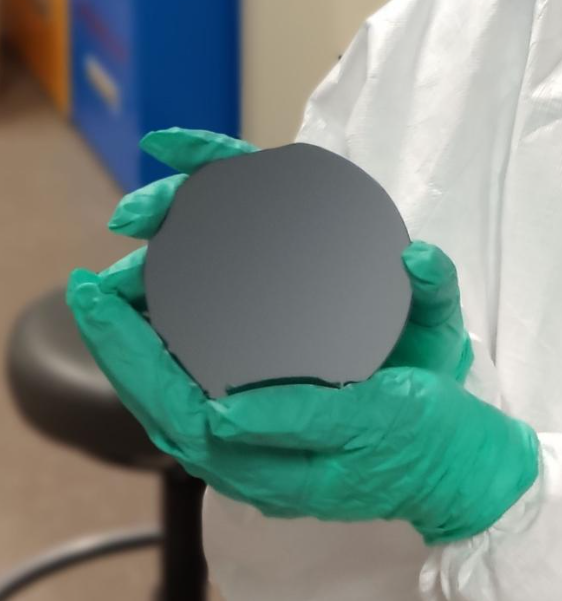
However, silicon has its drawbacks. The panels are rigid, heavy, and the manufacturing process is energy-intensive. This is where Organic Photovoltaics (OPVs) come in:
- What does “Organic” mean here? In chemistry, “organic” refers to molecules primarily built from carbon atoms, often linked with hydrogen, oxygen, nitrogen and sulfur; the molecules in this project also contain atoms such as fluorine, silicon and selenium. These are the building blocks of plastics, polymers, and life itself.
- OPVs use these specialized organic molecules to absorb light and generate electricity.
- The Promise of OPVs: They can be lightweight, flexible, semi-transparent, and potentially manufactured at a low cost using printing-like techniques. Imagine solar-collecting windows or jackets.
- The Challenge: Currently, OPVs are less efficient and less durable than silicon. Typical silicon panels reach efficiencies of 20–23%. The best OPV cells in research labs now reach around 20%, but larger OPV modules and commercial products remain well below that, and they degrade more quickly when exposed to the elements. Our project aims to help close this gap.
The “Business” Need: Finding Better Molecules, Faster
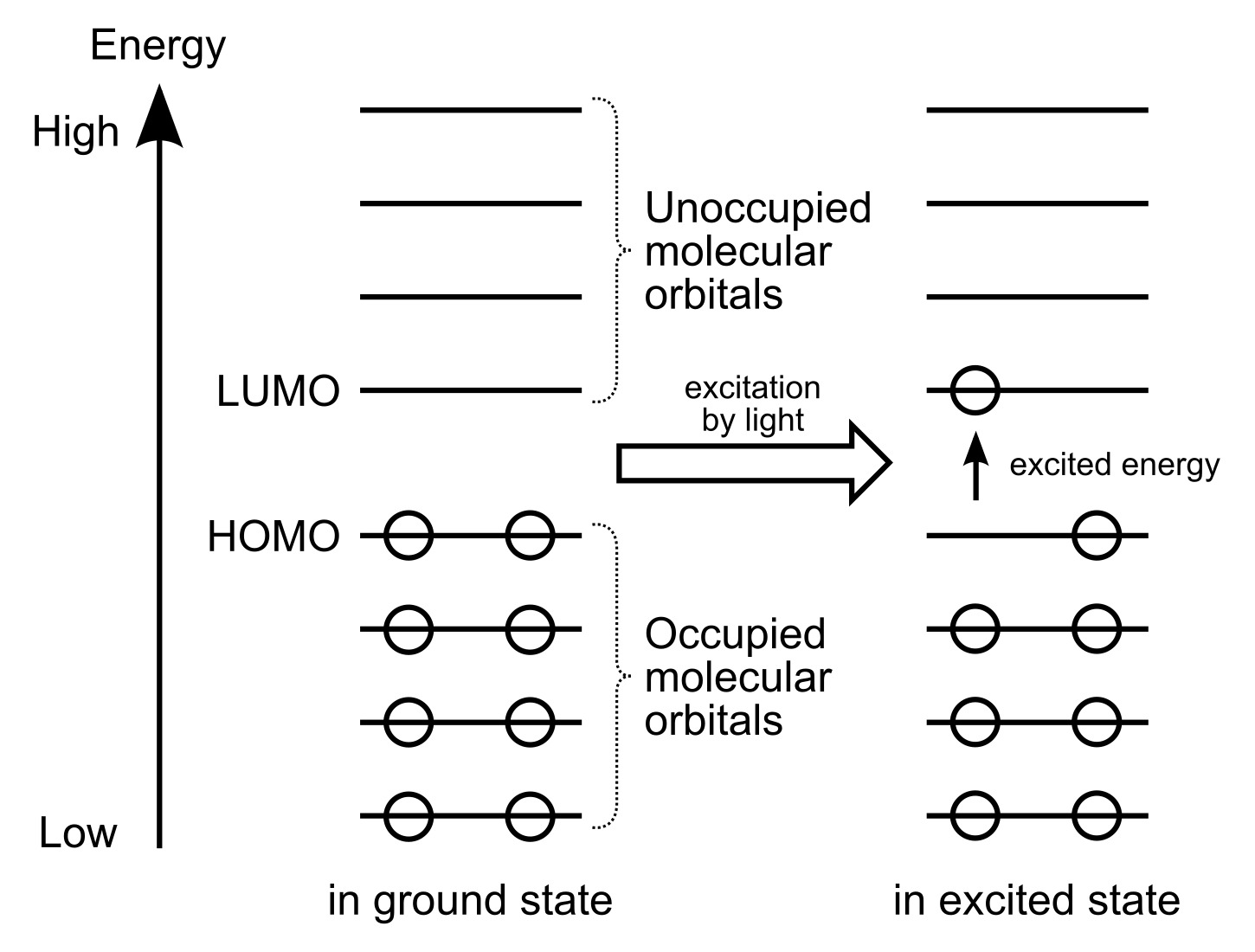
The core of an OPV is the organic molecule that captures light. Its effectiveness depends on specific electronic properties and its durability. The key properties we are interested in for this project are HOMO, LUMO, and stability. The HOMO tells us how easily the molecule gives up an electron, the LUMO how easily it accepts one; stability tells us how long it survives.
- HOMO (Highest Occupied Molecular Orbital) & LUMO (Lowest Unoccupied Molecular Orbital): You can think of these as the energy levels of the molecule’s electrons. The difference between the HOMO and LUMO levels is effectively the molecule’s bandgap. The absolute energy levels of HOMO and LUMO are critical for how efficiently the generated electrons can be extracted from the solar cell. Both are energies in electronvolts (eV) and are negative numbers. The LUMO lies above the HOMO, so LUMO values are higher (closer to zero) than HOMO values. In a solar cell, the molecule (the donor) is combined with an acceptor material, and the difference between the HOMO of the donor and the LUMO of the acceptor sets the highest voltage the cell can deliver (the open-circuit voltage).
- Stability: Stability is related to the duration for which the molecule, and consequently the solar cell, remains intact before it breaks down and stops working effectively. A fantastic molecule that dies after a few days is useless for a real-world product that needs to last for years. Stability depends largely on the whole device (the other materials, the processing, the encapsulation and the test conditions), not on the molecule alone. In this course the labels treat it as a property of the molecule:
low,mediumandhighgroup the molecules by how long a device made with them keeps most of its efficiency in a fixed test.
The right combination of HOMO, LUMO, and high stability is the “holy grail” for a new OPV material. Finding it means creating a more efficient and commercially viable product.
The Old Way vs. The Data Science Way
How do chemists currently find these properties?
- Synthesize the Molecule: A chemist spends days or weeks in a lab creating a tiny amount of a new, proposed molecule.
- Measure Properties: There are multiple experimental measurement techniques to measure the HOMO and LUMO levels (e.g., Cyclic Voltammetry).
- Test Stability: A solar cell is fabricated using the molecule and then exposed to sunlight, heat, and humidity for hundreds or even thousands of hours, while its performance is monitored at multiple time points. If the device retains most of its initial efficiency over time, the molecule is considered stable; if performance drops significantly, it is classified as unstable.
This process is incredibly slow and expensive. You can maybe test a few dozen molecules a year this way. But there are millions upon millions of possible molecules that could be synthesized! This is where you come in. Machine learning offers a revolutionary alternative. Instead of making and testing every molecule, what if we could predict its properties just from its blueprint — its molecular structure?
Machine Learning
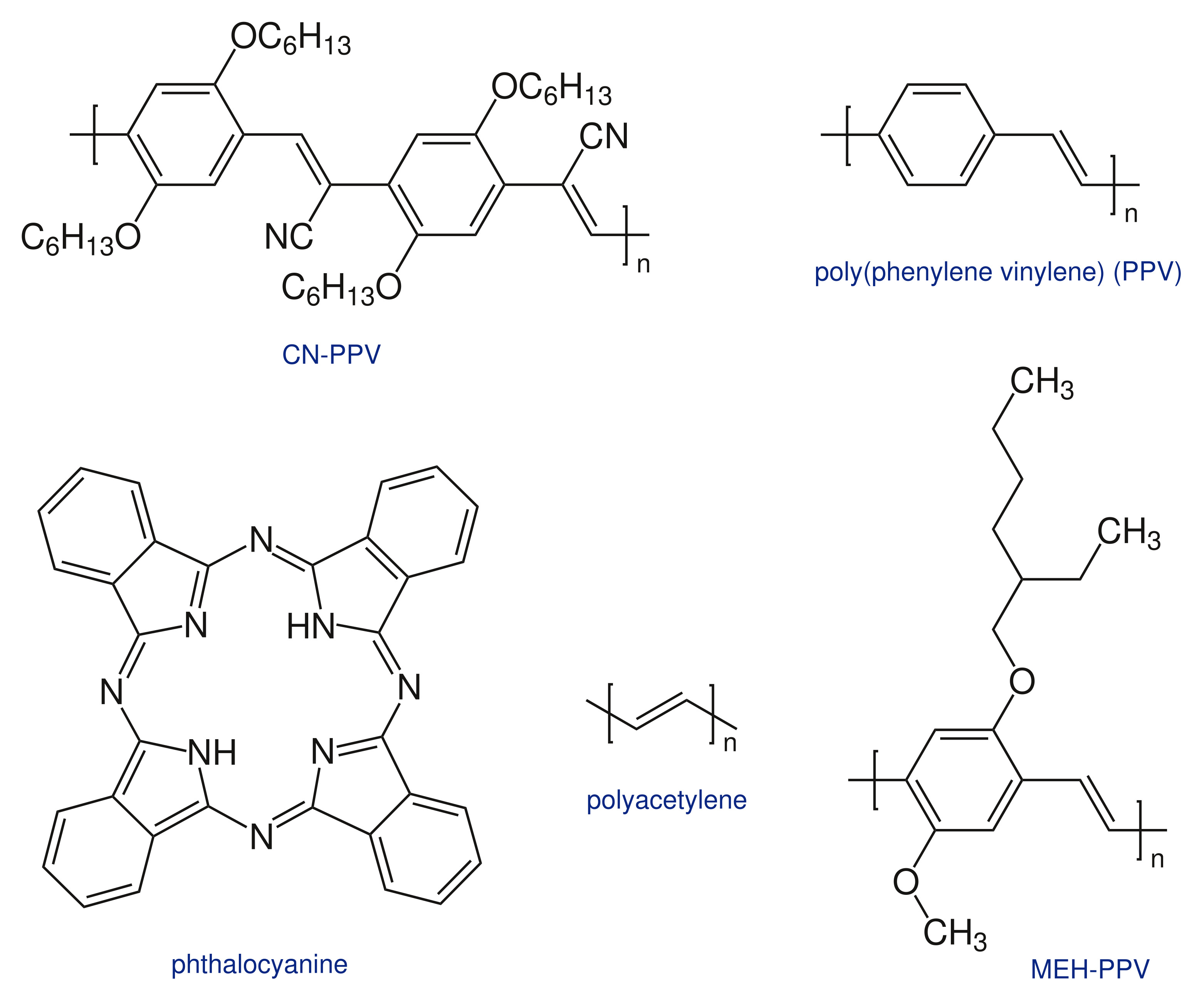
To do this, we need a standardized way for our models to understand molecules. Consider the molecule phthalocyanine, whose molecular formula is C₃₂H₁₈N₈. This tells us how many atoms are present, but gives us no information about how they are connected, which is critical for understanding molecular properties. So how can we preserve not just the count of atoms, but also the structural information? We use a text-based representation called a SMILES string. The SMILES string for phthalocyanine is:
C1=CC=C2C(=C1)C3=NC4=NC(=NC5=C6C=CC=CC6=C(N5)N=C7C8=CC=CC=C8C(=N7)N=C2N3)C9=CC=CC=C94This looks complicated, but don’t worry — you’ll never have to write one yourself. You don’t need to know how SMILES strings are created or how to read them. The main point is that this string can be converted back into the two-dimensional structure of the molecule without loss of information. It captures both the atoms and their connections. What matters is that we will use these strings as input for our machine learning models to predict HOMO, LUMO, and stability.
Machine learning models work with numbers, but SMILES strings are text. So how do we convert them into numbers? We’ll use RDKit, a powerful open-source cheminformatics library in Python, to parse SMILES strings and compute molecular descriptors. These descriptors are numerical features that capture the molecule’s size, shape, and chemical properties. Your task is to build a model that takes these descriptors as input and predicts the HOMO, LUMO, and stability as output.
A reliable predictive model lets the OMEGA Lab screen many candidate molecules on a computer before making any of them, and focus its expensive lab work on the most promising ones. Predictions don’t replace measurements, but they can make the search for better materials much faster.
What success looks like
Your models are scored on the project’s test molecules with these metrics:
- Stability (the classes
low,mediumandhigh): the macro-averaged F1 score, so that every class counts equally, however rare it is. You learn it in the Module 3 Self-study. - HOMO and LUMO (in eV): the mean absolute error (MAE), the average distance between a prediction and the true value. Lower is better.
A model is only useful if it clearly beats a simple baseline, such as always predicting the most frequent class or the average value.
About the data in this course
The molecules in this project are real: they come from published research datasets. The values you predict are not the published measurements. For this course, the HOMO, LUMO and stability values of all datasets were synthetically generated based on real molecular properties: they follow realistic chemical relationships and are the same for everyone. The client’s “lab measurements” you receive later are part of this course scenario.
So the problem is real, and so are the methods you learn. But a model built here has been tested on the course’s values, not on new laboratory measurements: a good score in this course does not show how well it would predict real measurements. Real measurements of HOMO and LUMO also depend on the method: different methods can give values that differ by several tenths of an eV (Bertrandie et al., 2022), more than the error of the best models in this course.